Our Projects
Projects that strengthen our programmes and expand our impact
CECOSDA’s permanent programmes are strengthened by projects funded by foundations, development partners and international institutions.
These projects enable us to train more young people, reach remote communities, support women, strengthen community media and develop practical solutions for inclusive access to energy.
Since 2014, CECOSDA has implemented projects in Cameroon and Central Africa in partnership with foundations, international organizations, public institutions and technical networks.
How Our Projects Support Our Mission
CECOSDA works through permanent programmes and time-bound funded projects.
Our permanent programmes ensure continuity in training, green entrepreneurship, community communication and access to solar energy.
Funded projects allow us to expand these programmes, reach new beneficiaries, test new approaches and respond to specific needs identified in communities.
Each project is connected to one or more of CECOSDA’s core themes: solar energy and electricity, green entrepreneurship, sustainable development, training and communication for development.
The knowledge, tools, networks and experience developed through funded projects continue to strengthen CECOSDA’s permanent programmes after each project ends.
Current Projects
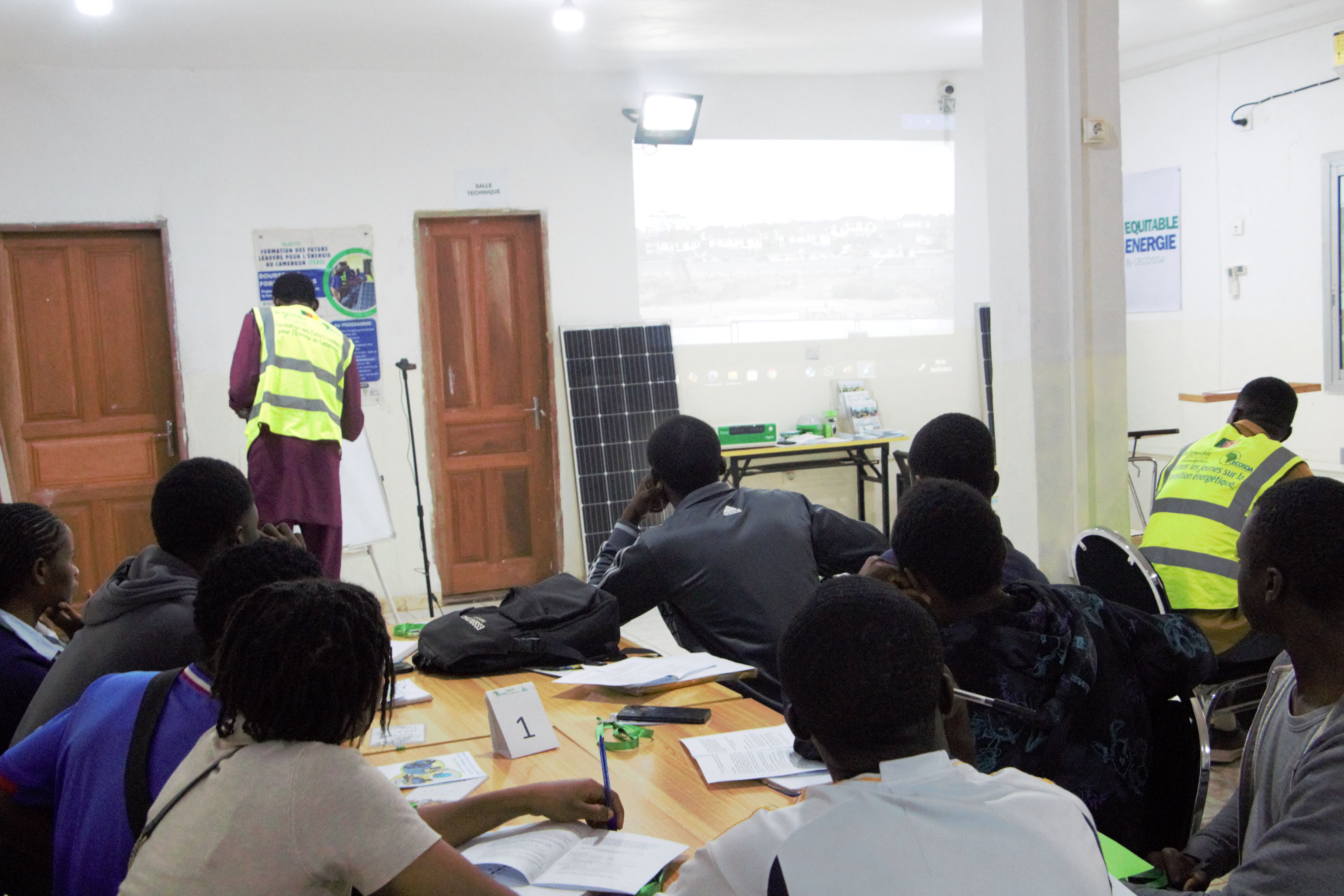
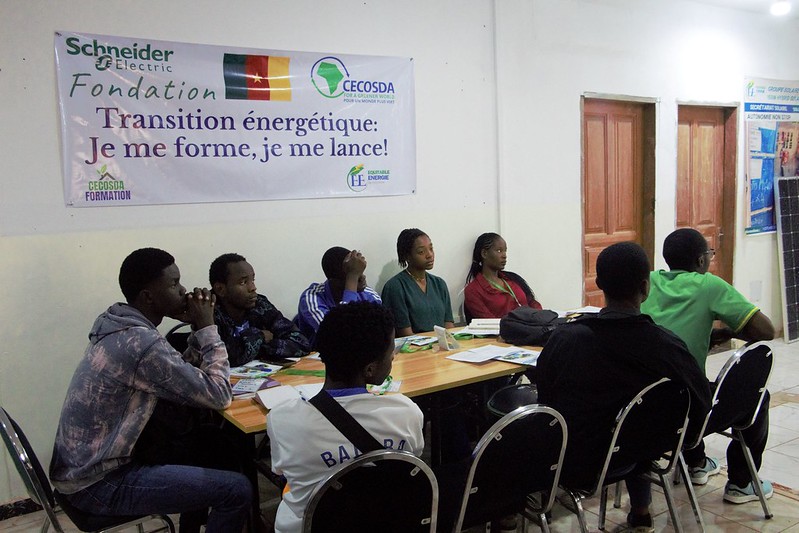
Free Energy Training for 5,000 Young People
This project aims to provide free training to 5,000 young people in secondary and higher-education institutions in Cameroon.
The training focuses on electricity, solar energy, energy transition, practical technical skills and green entrepreneurship.
The Schneider Electric Foundation supports the training on the basis of an average contribution of 10 euros per learner.
This support helps cover training materials, teaching tools, practical demonstrations, programme coordination and beneficiary monitoring.
The academic and technical component is supported by CECOSDA volunteer technicians and Schneider Electric volunteers.
Training is delivered directly in partner schools and higher-education institutions in order to bring energy education closer to learners.
The project helps young people understand energy challenges, discover technical careers and begin developing solutions adapted to their communities.
CECOSDA is seeking additional sponsors and technical partners to reach more institutions, regions and vulnerable learners.
Completed Projects
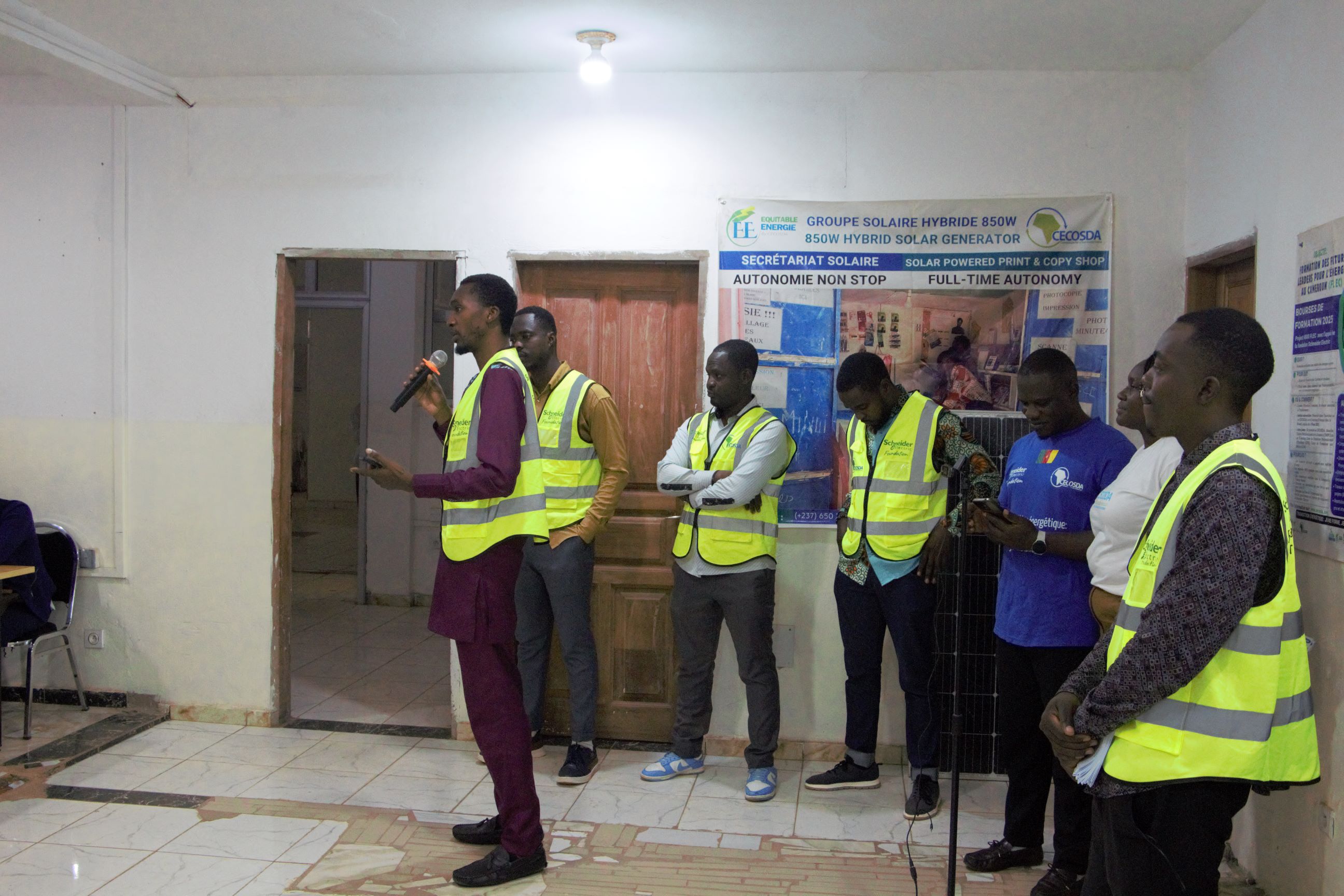
FLEC Schneider Electric 2025–2026
This project strengthened CECOSDA’s capacity to provide free large-scale training in electricity, solar energy and green entrepreneurship.
It contributed to the expansion of FLEC in secondary and higher-education institutions in Cameroon.
The project combined classroom learning, practical demonstrations, technical exercises and awareness of employment and entrepreneurship opportunities in the energy sector.
It also strengthened CECOSDA’s network of volunteer trainers, technicians and professionals.
The project helped establish a practical foundation for the expansion of free FLEC Mass Training.
The experience and lessons learned are being used to improve the next phase of training for young people.
Community Radio and Journalist Training with UNESCO
CECOSDA trained community radio professionals and community journalists on sustainable development, environmental communication and the role of local media in community education.
The project strengthened the ability of journalists to explain technical, environmental and social issues in clear and accessible language.
Particular attention was given to the use of local languages so that rural populations could better understand sustainable-development challenges and available solutions.
Community journalists were encouraged to transform technical information into radio programmes, interviews, discussions and awareness messages adapted to their audiences.
These activities contributed to the development of CECOSDA’s network of community radios and community journalists in Central Africa.
Community Journalism and Local-Language Awareness with La Francophonie
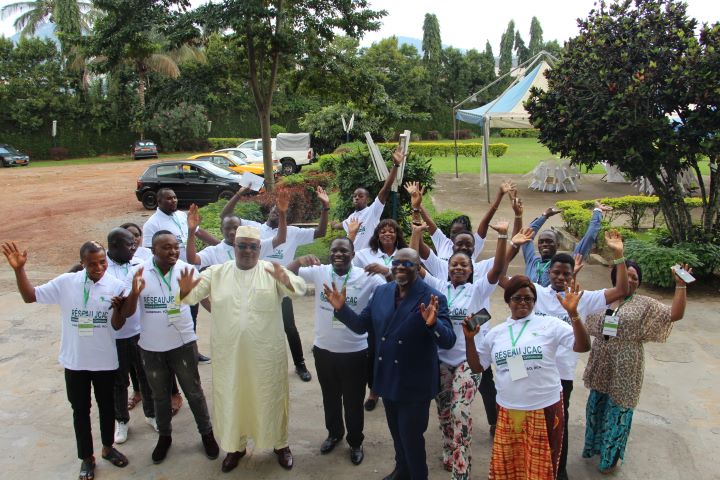
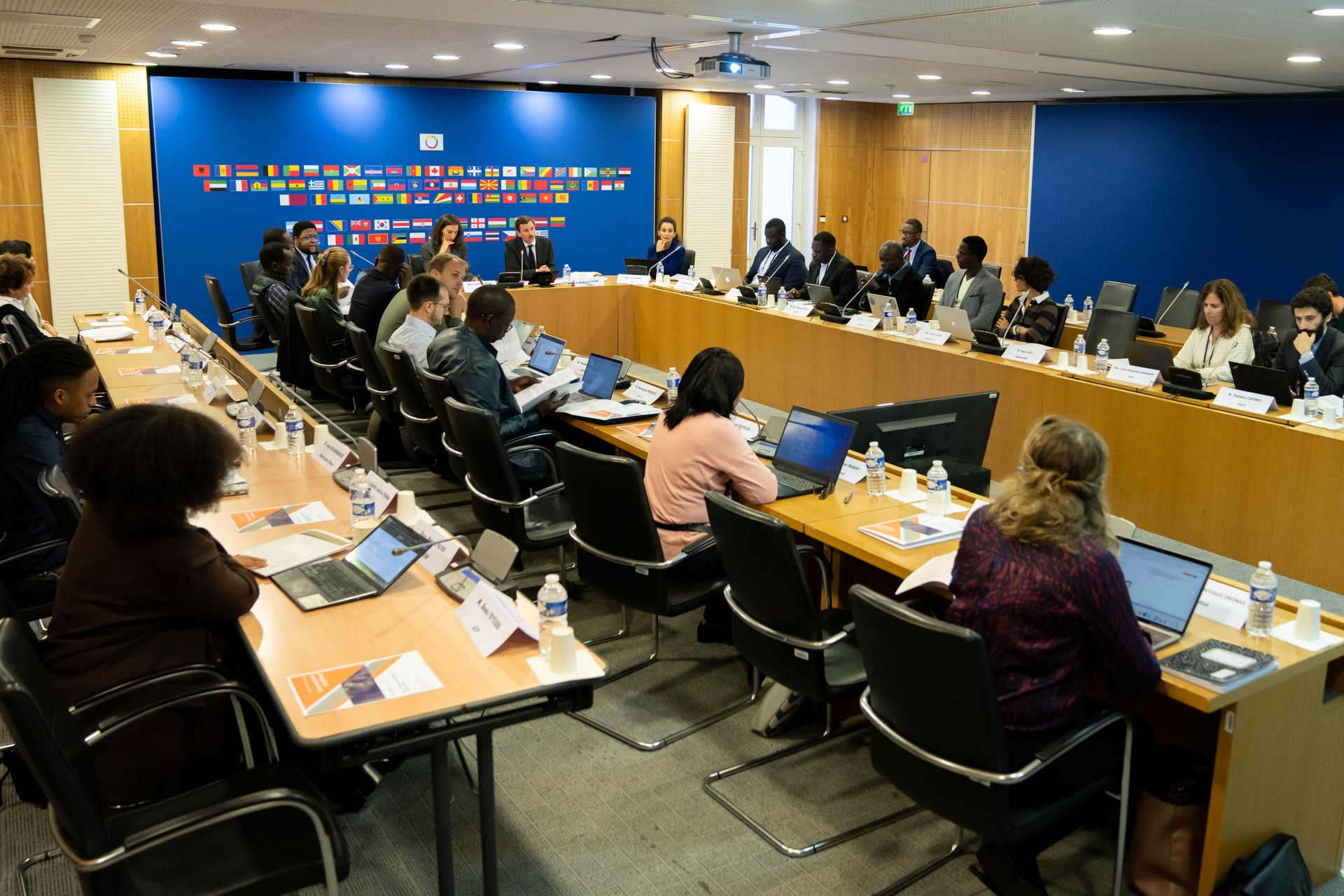
Through these projects, CECOSDA strengthened the capacities of community journalists to communicate on sustainable development, energy and community issues.
The activities promoted the use of local languages to make information accessible to populations often excluded from technical and institutional communication.
The projects reached community media professionals in four Central African countries.
Participants learned to prepare accessible content, conduct interviews, organize community discussions and produce awareness messages suited to local realities.
Together with the UNESCO-supported initiatives, these projects contributed to training more than 30 community radios and community journalists across Central Africa.
The experience continues through JCAC, CECOSDA’s network of community radios and community journalists.
Field Surveys on Energy Use in Communities
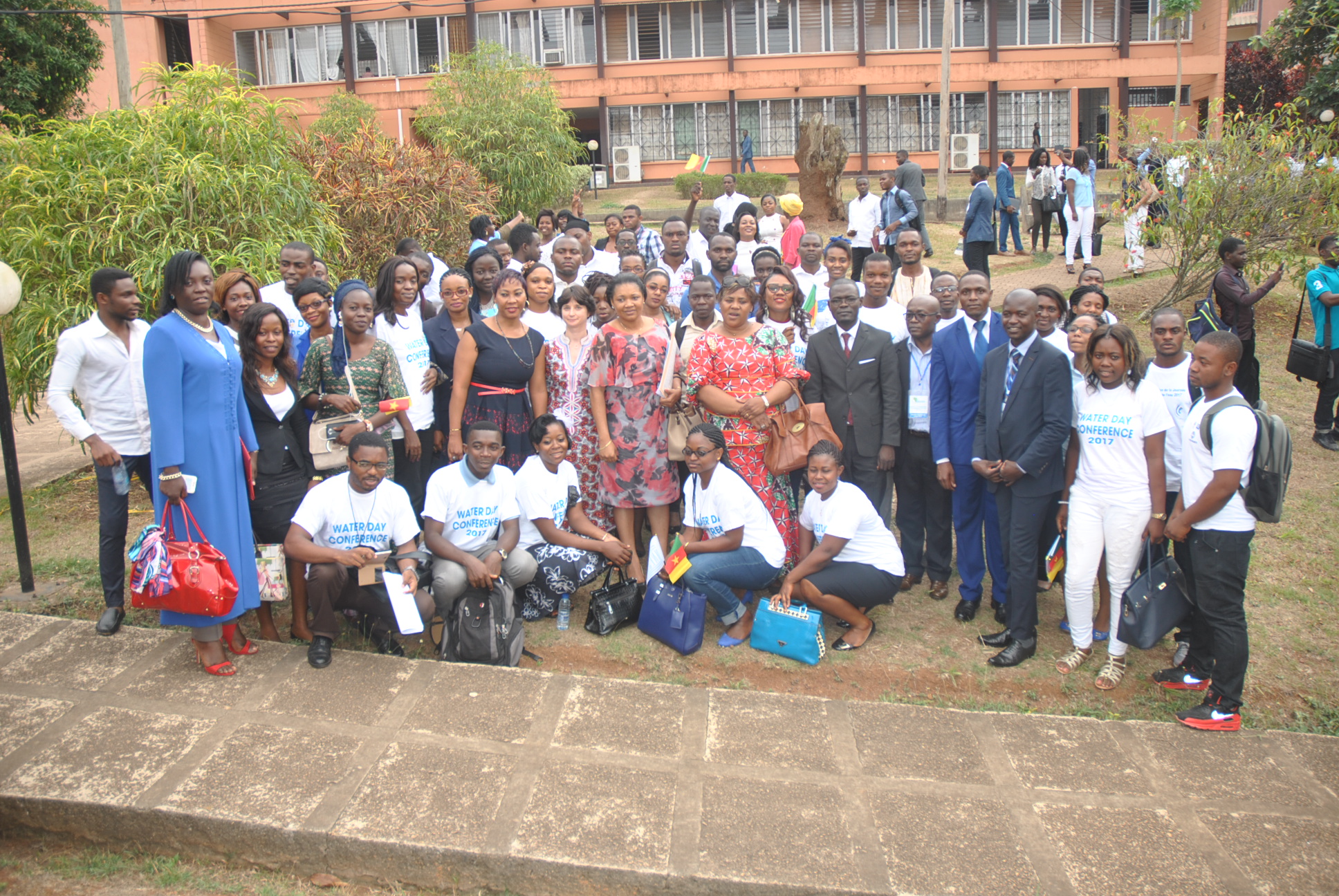
With the support of Fondation de France and the Schneider Electric Foundation, CECOSDA conducted field surveys on energy use and access to energy solutions in communities.
The surveys collected information on household energy needs, available energy sources, consumption patterns and the difficulties experienced by communities without reliable electricity.
The fieldwork paid particular attention to the realities of women, families, small businesses and rural communities.
It documented the energy sources used by households, the related costs, the limitations of existing solutions and the priorities expressed by beneficiaries.
The findings helped CECOSDA better understand local needs and design more appropriate awareness, training and energy-access initiatives.
The project also strengthened CECOSDA’s capacities in field research, beneficiary consultation, data collection and community mobilization.
The knowledge generated through these surveys contributed to the development of CECOSDA programmes focused on inclusive access to energy.
Acquisition and Free Distribution of Solar Kits in Cameroon
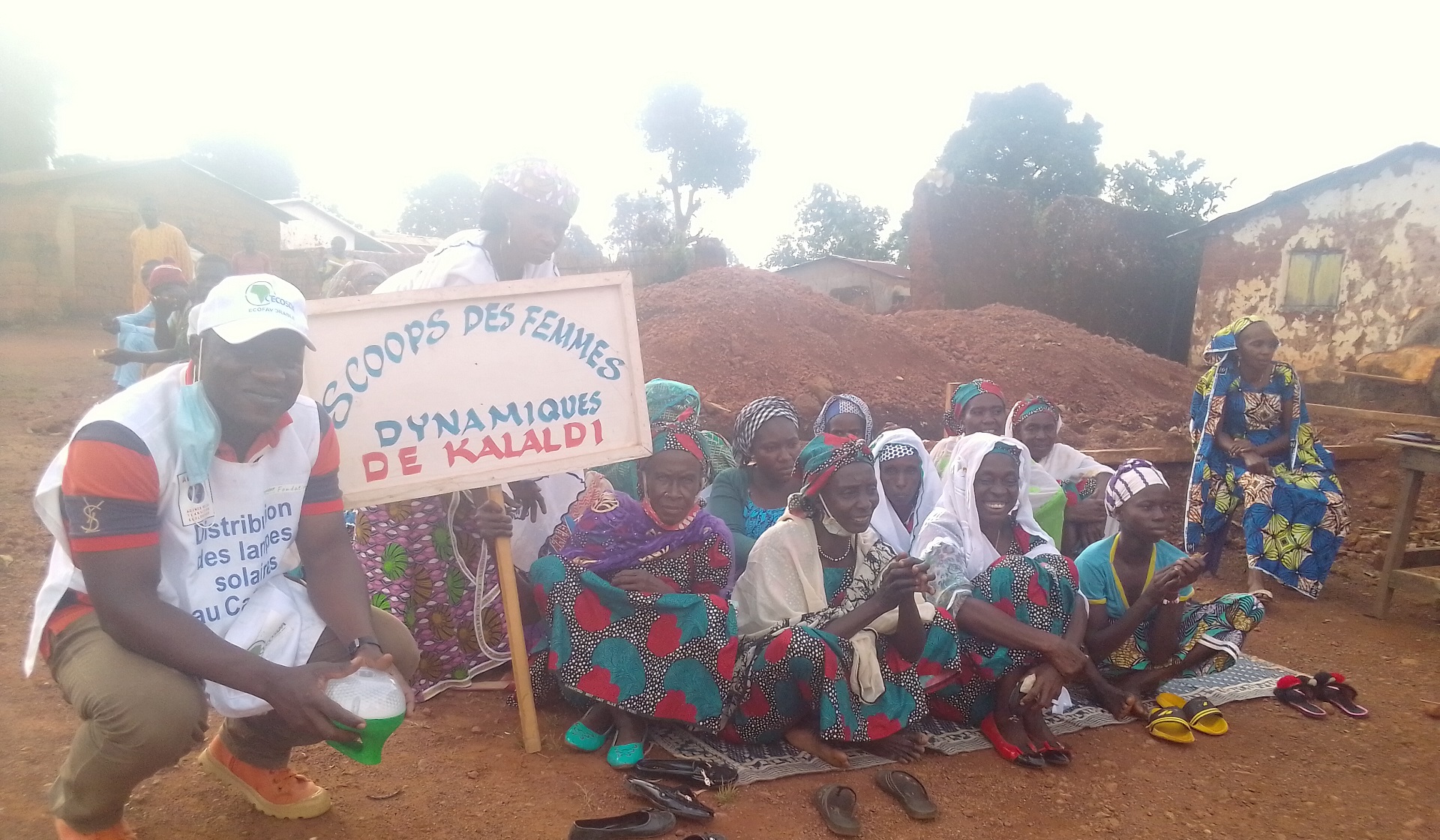
With the support of ADEME and the Schneider Electric Foundation, CECOSDA acquired and distributed more than 4,500 solar kits free of charge in villages and underserved communities in Cameroon.
The project aimed to improve basic access to clean and reliable lighting for households, women, children and small community activities.
The solar kits enabled children to study after dark, improved household safety and supported certain income-generating activities during the evening.
The initiative also provided CECOSDA with important experience in equipment acquisition, beneficiary identification, logistics and last-mile distribution.
Working directly with communities helped strengthen local trust and improve understanding of the practical energy needs of women and rural households.
This experience gave new momentum to SolarDjangui, CECOSDA’s solidarity-based programme for improving access to quality solar solutions.
The lessons learned continue to guide SolarDjangui’s approach to women’s associations, health centres, remote communities and last-mile delivery.
Projects by Theme
Solar Energy and Electricity
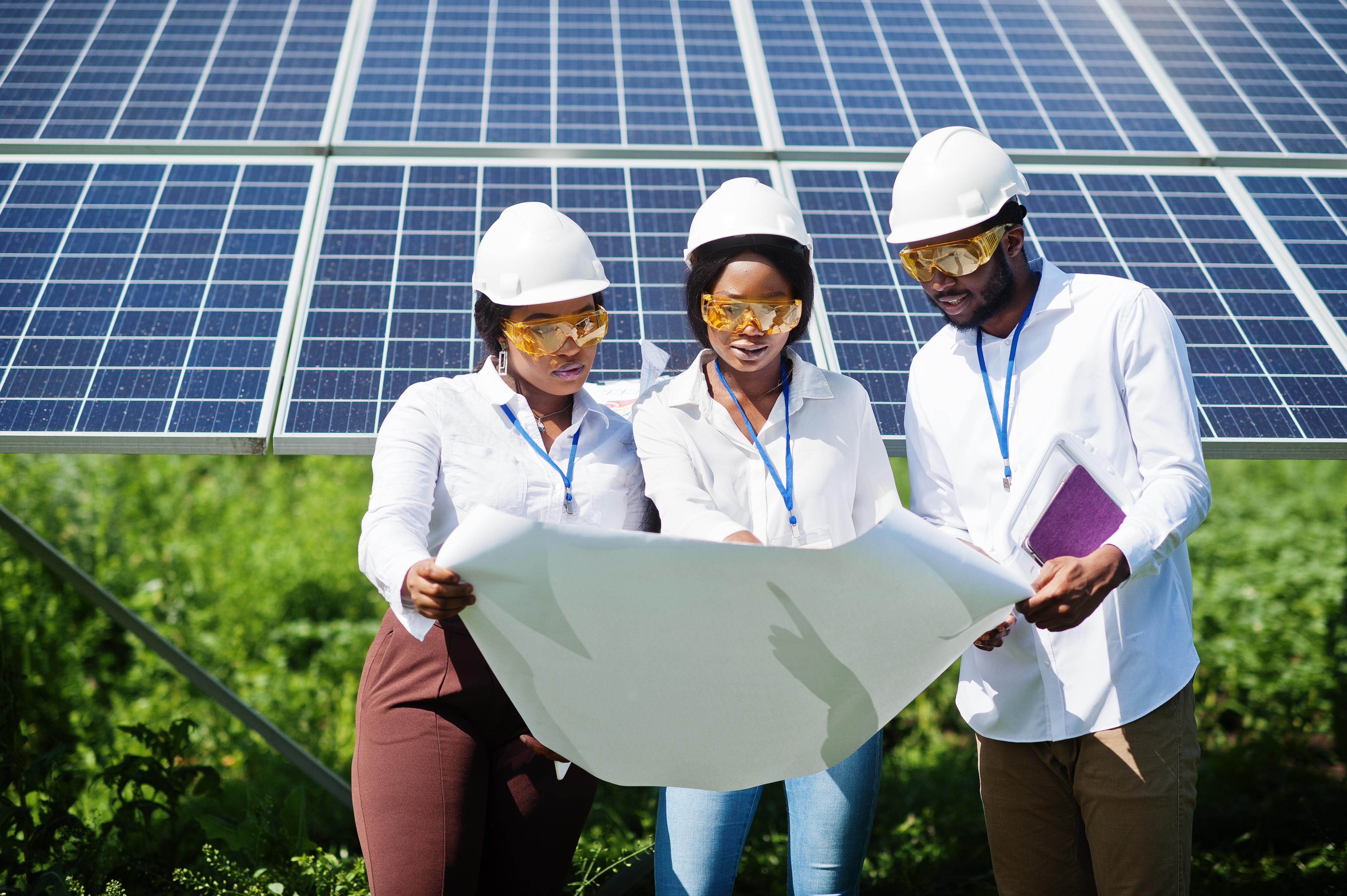
Solar kits, energy access, technical training and school-based energy education.
Green Entrepreneurship
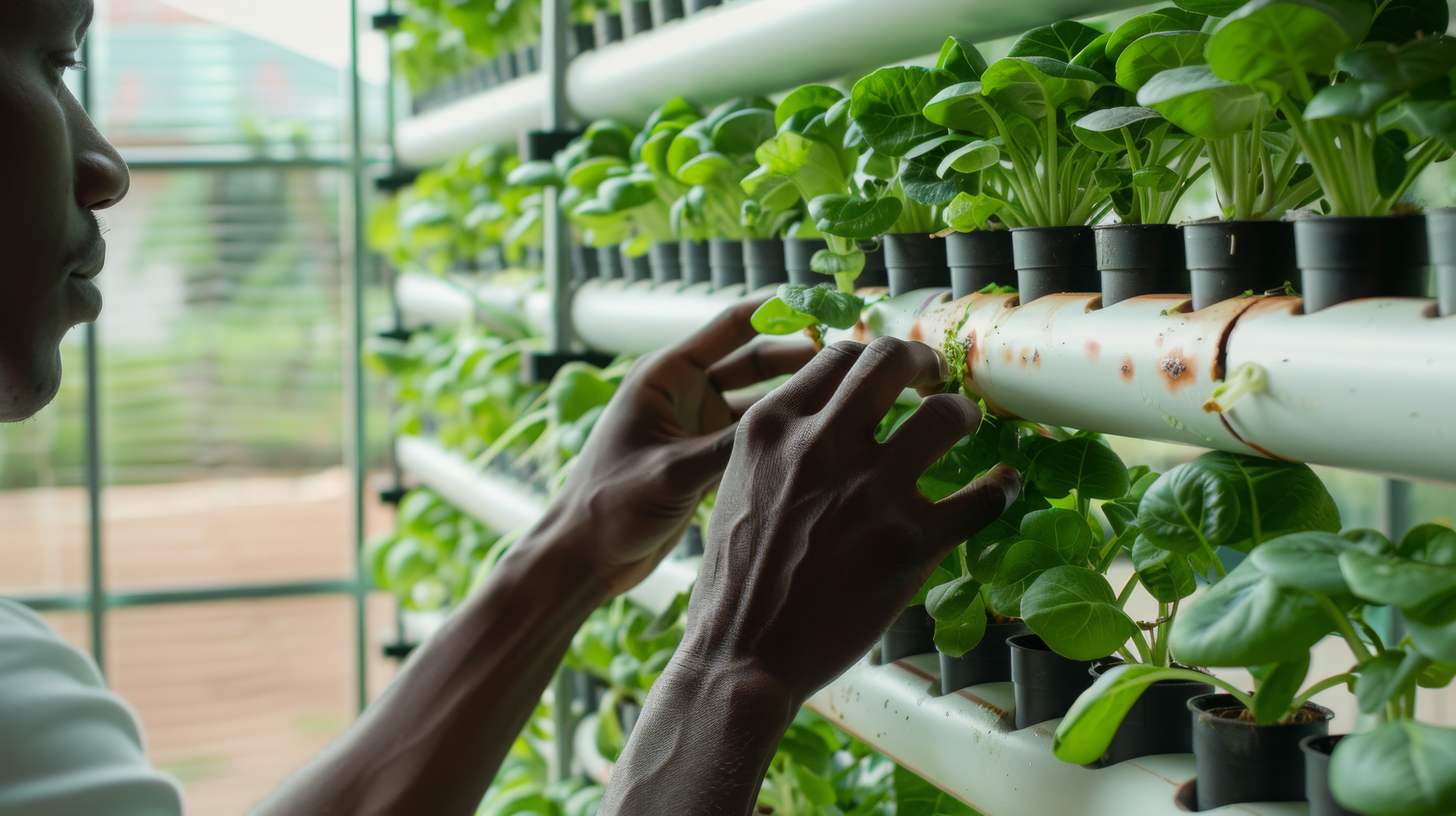
Youth incubation, green projects, community solutions and pathways to employment and economic autonomy.

Sustainable Development
Environmental awareness, community research, inclusive development and locally adapted solutions.
Training
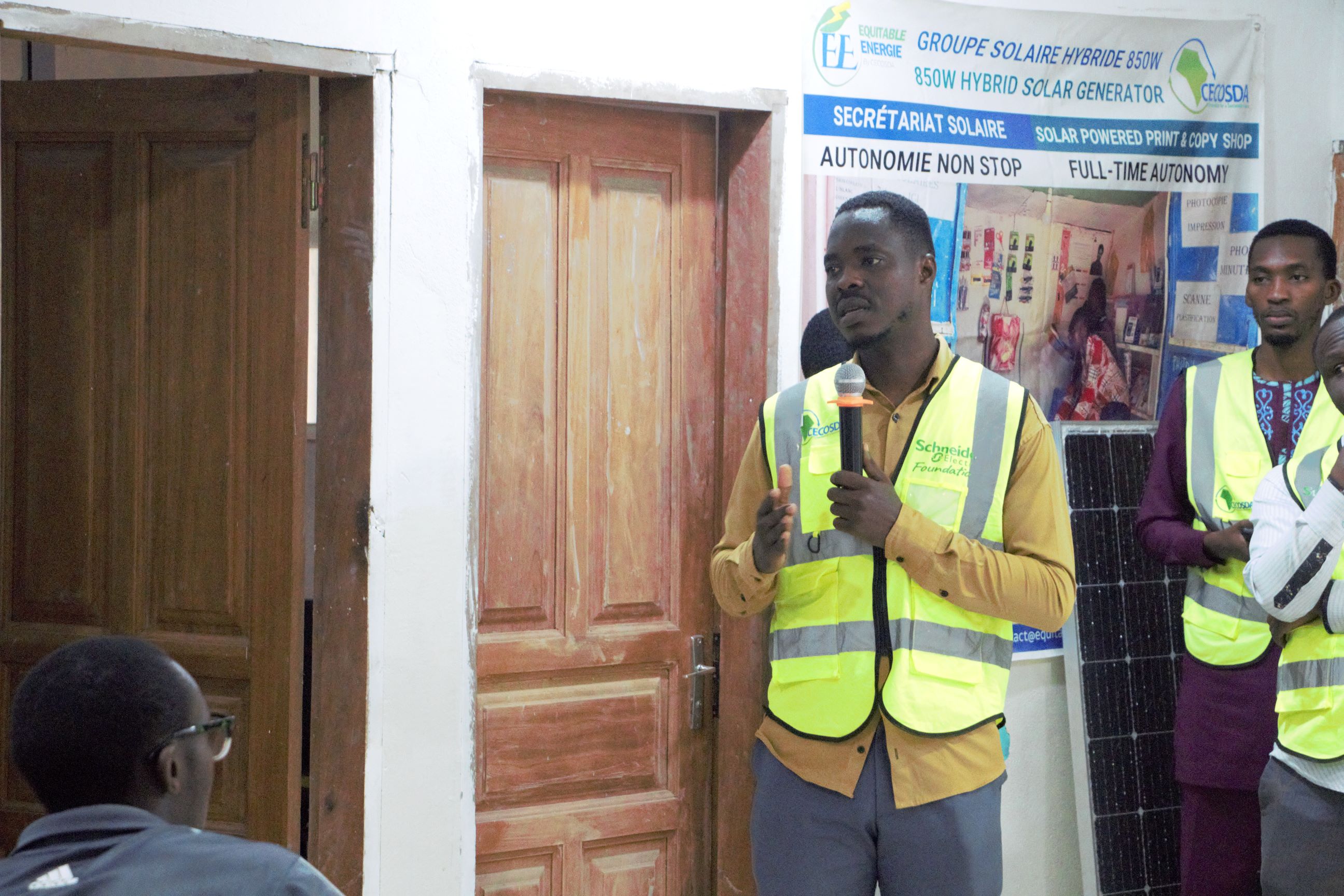
Learners, technicians, volunteers, journalists, teachers, entrepreneurs and community leaders.
Communication for Development
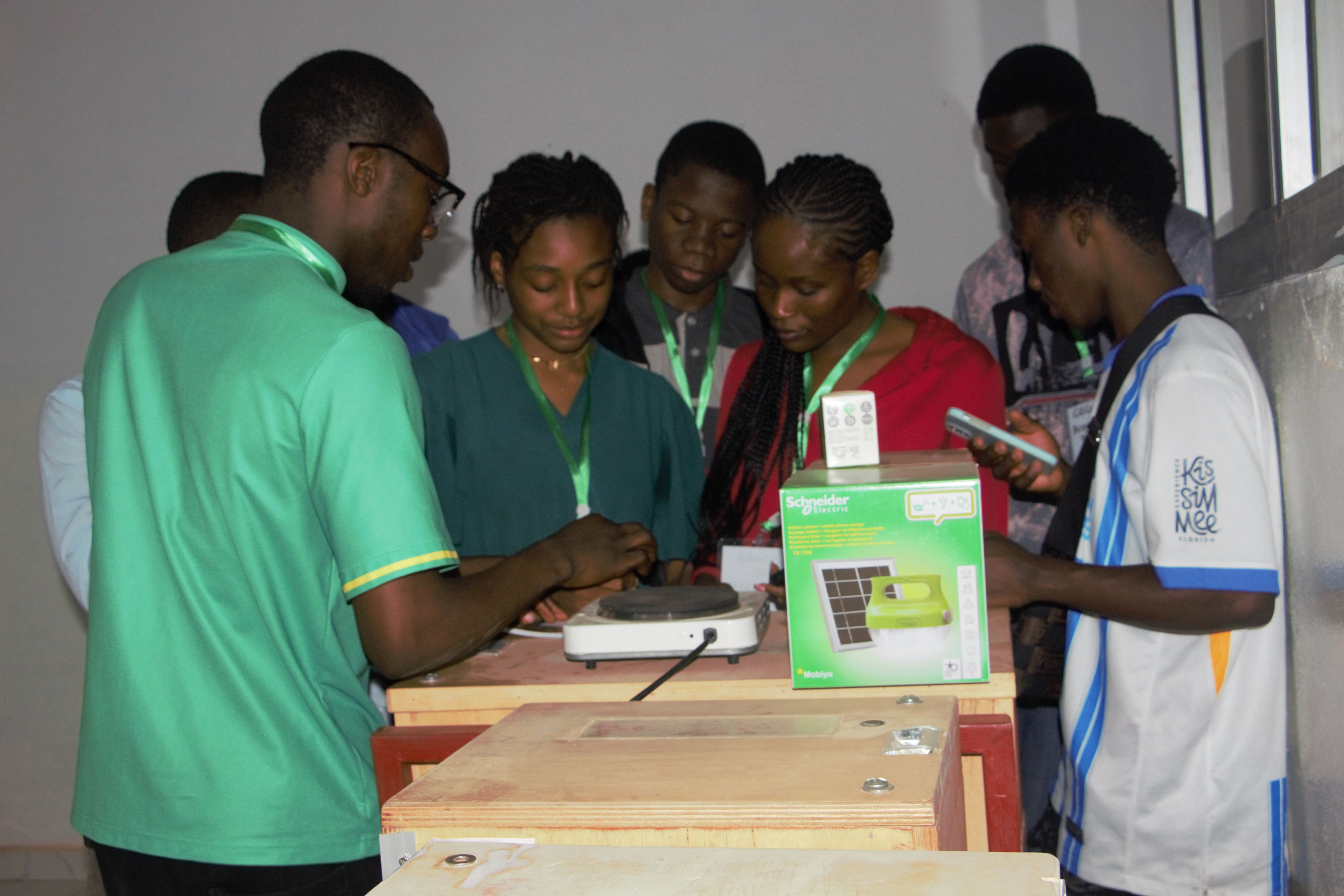
Community radios, local languages, awareness campaigns and access to reliable information.
Institutional Support
CECOSDA’s projects are implemented with the support and guidance of the relevant technical ministries and public institutions in Cameroon.
This institutional support helps ensure that project activities are aligned with national priorities in energy, environment, education, vocational training and youth development.
It also facilitates collaboration with secondary schools, universities, technical institutions, communities and local authorities.
Depending on the project, CECOSDA works with the administrations responsible for the environment, energy, employment and vocational training, secondary education and higher education.
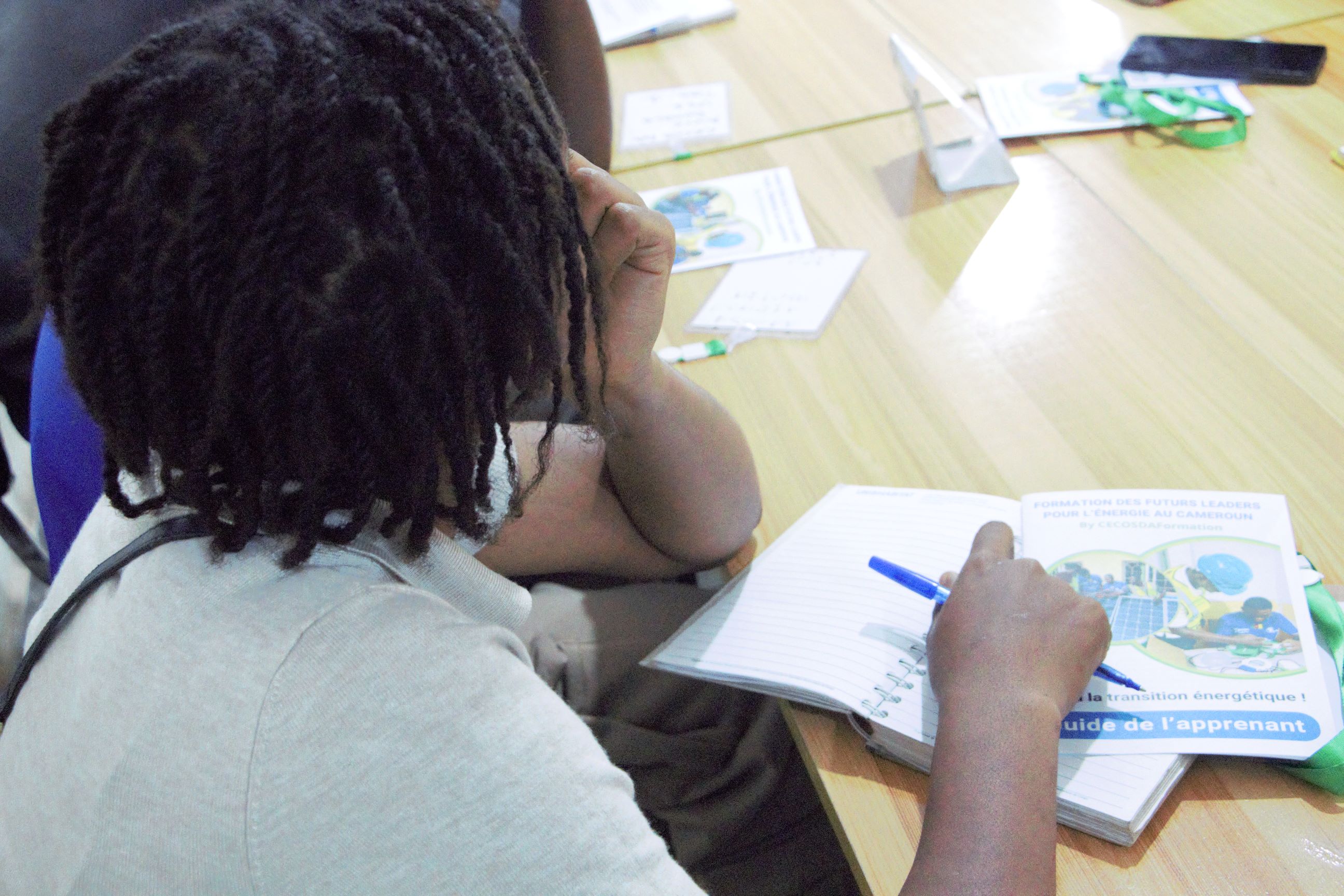
Project Reports and Accountability
CECOSDA documents the implementation, results, lessons learned and use of resources for each funded project.
Project reports may include beneficiary data, training results, field observations, photographs, testimonials, financial information and recommendations for future action.
Publishing completed-project reports helps partners, beneficiaries and the public understand the results achieved and the continuation of the activities.
Become a Project Partner
CECOSDA is continuously seeking foundations, donors, companies, institutions, technical experts and volunteer networks interested in inclusive energy access and sustainable development.
Partners can support learner training, technical equipment, solar kits, field surveys, internships, prototypes, community communication and local-language content.
A partner may finance an entire project, sponsor a group of beneficiaries, provide technical expertise, mobilize volunteers or make equipment available.
You may also share a call for proposals, invite CECOSDA to join a consortium or propose a technical partnership.